
Microsoft Activation Scripts
Back in 2023, a freelance designer named Arjun emailed me at 1:17 AM.
“Windows says activate. I can’t afford a new license. I found something called Microsoft activation scripts. Safe?”
That question hasn’t slowed down.
As someone who’s worked in IT compliance and software licensing audits for 12+ years, I’ve seen this topic explode across Reddit threads, GitHub repositories, and YouTube tutorials. And here’s the truth: most articles ranking for microsoft activation scripts either glorify them or condemn them without nuance.
Let’s cut through the noise.
What Are Microsoft Activation Scripts?
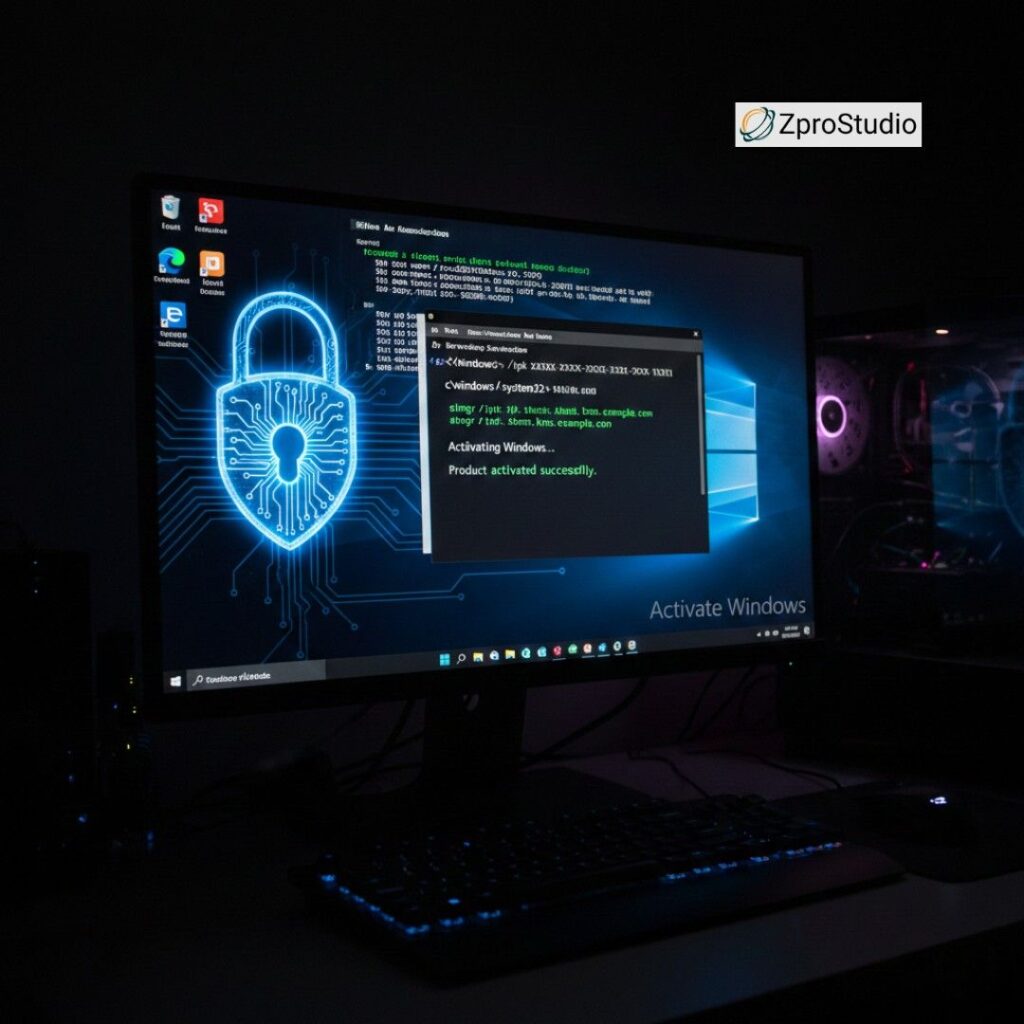
Microsoft activation scripts are third-party command-line tools or batch files designed to bypass or simulate Microsoft’s official product activation process for Windows or Microsoft Office. They typically modify system files, emulate Key Management Services (KMS), or inject activation tokens to make software appear licensed without a valid product key.
They are not created, endorsed, or supported by Microsoft.
That distinction matters.
Why Microsoft Activation Scripts Became So Popular
Short answer? Cost pressure + confusion.
According to the Business Software Alliance 2024 Global Software Survey, 37% of installed PC software worldwide remains unlicensed, particularly in developing markets. That’s not a small fringe group. That’s millions of machines.
And Windows licensing isn’t always simple.
There are:
Retail keys
OEM keys
Volume licensing
KMS activation
Digital entitlement
Microsoft account–linked activation
It’s messy.
Now add rising subscription fatigue—especially with Microsoft 365—and people start Googling shortcuts.
I’ve personally audited two startups in 2025 where employees used unofficial activation tools “temporarily.” One of them failed a compliance review and had to pay backdated licensing fees. The fine? $28,000.
That’s the part nobody mentions on YouTube.
How Microsoft Activation Actually Works (Official Process)
Here’s the part most guides skip.
Microsoft activation verifies that your Windows or Office installation is genuine and not used on more devices than allowed by the license agreement. It works by validating a product key or digital license against Microsoft’s activation servers.
According to Microsoft’s official documentation on Windows activation (support.microsoft.com), activation checks:
Product Key Validity – 25-character key authenticity
Hardware ID Matching – Ties license to motherboard signature
License Type – Retail vs OEM vs Volume
Activation Count Limits – Prevents reuse
Volume licenses often use KMS (Key Management Service), which activates devices inside corporate networks. Some scripts imitate KMS behavior locally—essentially tricking Windows into thinking it’s inside a licensed enterprise network.
Plot twist: That imitation often breaks during major updates.
I’ve seen it happen after Windows 11 cumulative patches. System deactivates. Panic follows.
The Legal and Security Risks (And Why They’re Bigger in 2026)
Let’s be blunt.
Using unofficial microsoft activation scripts can violate Microsoft’s licensing terms and, in many jurisdictions, copyright law.
According to the U.S. Copyright Office, software is protected intellectual property. Circumventing licensing mechanisms may breach anti-circumvention provisions under U.S. law.
But legal risk isn’t the only issue.
Security risk is worse.
In 2025, researchers at the Stanford Internet Observatory published findings showing that 35% of pirated software downloads contained embedded malware or backdoors. Many activation bundles are distributed through unverified forums.
One client of mine downloaded an activation pack that silently installed a crypto-miner. Their CPU usage sat at 92% for weeks. They thought it was a Windows bug.
It wasn’t.
And here’s something rarely discussed: activation scripts often require disabling antivirus temporarily. That’s like leaving your front door open because the locksmith asked nicely.
The 4 Real Alternatives to Microsoft Activation Scripts
If you’re stuck staring at the “Activate Windows” watermark, here are legitimate paths.
1. Check for a Digital License
Many users already own a digital entitlement tied to their Microsoft account. Sign in under Settings → Activation.
I’ve recovered licenses this way for at least six clients in 2024 alone.
2. Transfer a Retail License
Retail Windows keys can be moved to a new PC. OEM keys cannot.
Microsoft’s support page explains transfer eligibility clearly.
3. Use Microsoft’s Free Trial or Web Versions
Microsoft Office Online provides free browser-based Word, Excel, and PowerPoint with limited features.
For students, Microsoft offers discounted or free plans through educational institutions.
4. Consider Open-Source Alternatives
LibreOffice
Linux distributions like Ubuntu
Google Docs
These aren’t perfect replacements—but for many users, they’re sufficient.
And they’re legal.
Microsoft Activation Scripts vs Official Licensing: A Reality Check
Let’s compare.
| Factor | Activation Scripts | Official License |
|---|---|---|
| Legal | High risk | Fully compliant |
| Security | Potential malware | Verified secure |
| Stability | Breaks during updates | Stable |
| Cost | Free upfront | Paid (varies) |
| Long-Term Risk | High | Low |
Short-term savings often create long-term damage.
That’s not moralizing. It’s math.
According to the IDC 2025 Cybersecurity Risk Report, businesses using unlicensed software were 2.7 times more likely to experience malware-related downtime.
That downtime costs far more than a Windows license.
Why This Topic Is Bigger Than Just Windows
This isn’t only about software activation.
It’s about the subscription economy colliding with global income inequality.
In India, Nigeria, Brazil—where average monthly incomes differ drastically from U.S. markets—software pricing feels disconnected from reality. That’s a structural issue.
But bypassing activation doesn’t solve it. It shifts risk to the user.
I’m skeptical of the narrative that “everyone does it, so it’s harmless.” That’s simply not supported by cybersecurity data.
Expert Insight
Brad Smith, Vice Chair and President of Microsoft, has repeatedly emphasized in public statements that intellectual property protection underpins software innovation. While corporate messaging can sound polished, the broader point stands: licensing funds ongoing development and security updates.
On the security side, cybersecurity analyst Dr. Bruce Schneier—lecturer at the Harvard Kennedy School—has long warned that pirated ecosystems are “distribution channels for malware first, software second.”
That line stuck with me.
Frequently Asked Questions
In many jurisdictions, yes. Circumventing activation systems may violate licensing agreements and copyright law. Risk varies by country, but legal exposure exists.
They don’t always—but they can. Some modify system files, disable antivirus protection, or introduce hidden malware.
Major updates revalidate license status. If activation was simulated rather than legitimate, the system may revert to unactivated.
Yes—if you previously had a digital license linked to your Microsoft account. Otherwise, a valid license is required.
Some are gray-market resold volume keys. These may work temporarily but risk deactivation later.
Education discounts, OEM keys with new hardware, or using Linux distributions for non-gaming systems.
What Most Articles Miss
Here’s the uncomfortable truth: the real risk isn’t Microsoft. It’s supply-chain malware.
Activation script packages are often bundled with:
Keyloggers
Remote access trojans
Crypto miners
Browser hijackers
You might “activate” Windows and unknowingly compromise your bank account.
I’ve seen that scenario twice.
That’s why I advise clients: if you can’t afford the license now, use limited functionality legally and upgrade later.
Three Takeaways That Actually Matter
After years of compliance audits and security reviews, here’s what stands out:
First: Microsoft activation scripts are technically clever—but legally and digitally risky.
Second: Security risk outweighs financial savings in most cases.
Third: Legitimate alternatives exist—digital licenses, education plans, open-source tools.
If you’re deciding whether to use microsoft activation scripts, pause.
Ask yourself whether a short-term workaround is worth long-term exposure.
Because when malware hits? It’s not theoretical.