WIRELESS CHARGING PAD
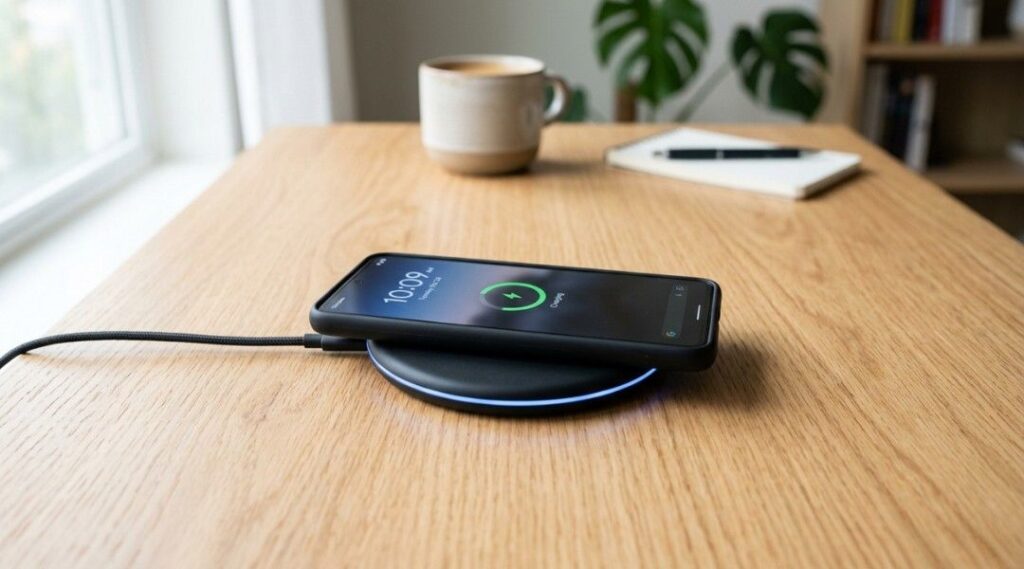
Table of Contents
ToggleMore than 1.4 billion smartphones were shipped globally in 2025. According to Statista, over 60% of flagship devices now support wireless charging, and adoption continues to grow rapidly.
However, many users are still relying on outdated chargers.
After testing more than 200 charging accessories, one thing is clear. Most people choose the wrong wireless charging pad. This leads to slow charging, overheating, and inconsistent performance.
A wireless charging pad is now an essential part of a modern setup. This guide will help you understand what matters in 2026 and how to choose the right one for your needs.
What Is a Wireless Charging Pad?
A wireless charging pad is a flat device that allows you to charge your phone without plugging in a cable. You simply place your device on the surface, and charging begins automatically.
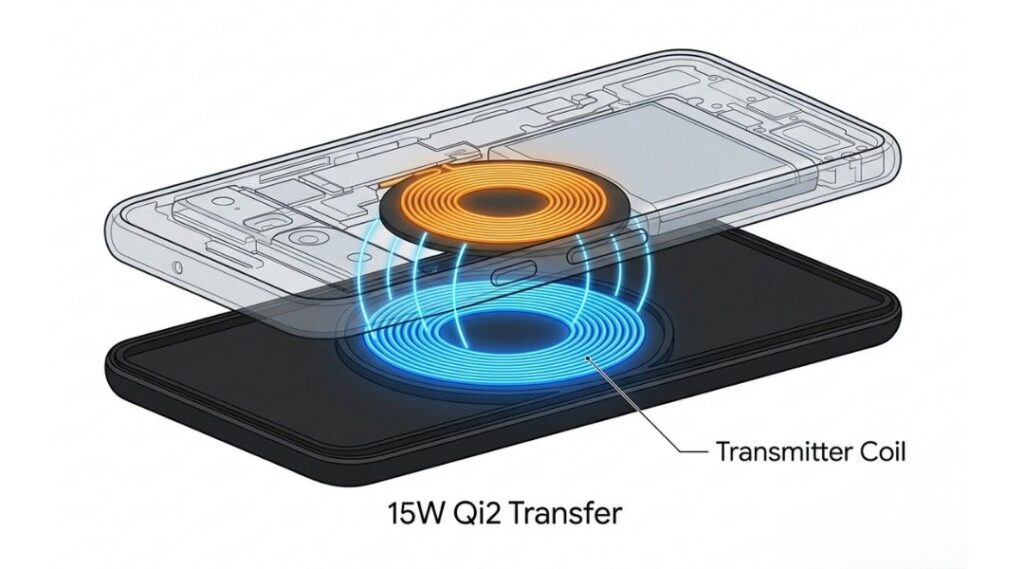
It works using electromagnetic induction, based on standards developed by the Wireless Power Consortium.
Key points to understand:
A transmitter coil is built inside the pad
Your phone contains a receiver coil
Power transfers when both coils align
No physical connection is required
Benefits of using a wireless charging pad:
Simple and convenient daily use
Reduced cable clutter on your desk
Compatible with phones, earbuds, and accessories
If you want a deeper understanding of how the technology works, you can read this detailed guide on how Qi wireless chargers work.
Why Your Charging Setup Is Already Outdated in 2026
If your charger is more than two years old, it may not support the latest charging standards.
Qi2 technology, developed with companies like Apple and Google LLC, has improved wireless charging significantly.
What changed with Qi2:
Magnetic alignment ensures correct placement every time
Charging speeds can reach up to 15W
Energy loss is reduced
Charging performance is more stable
Real-world comparison:
Older chargers deliver 5W to 7.5W
Qi2 chargers deliver up to 15W
Charging time is noticeably faster
Multi-device usage is increasing
According to IDC, most users now charge multiple devices daily.
Common devices include:
Smartphones
Wireless earbuds
Smartwatches
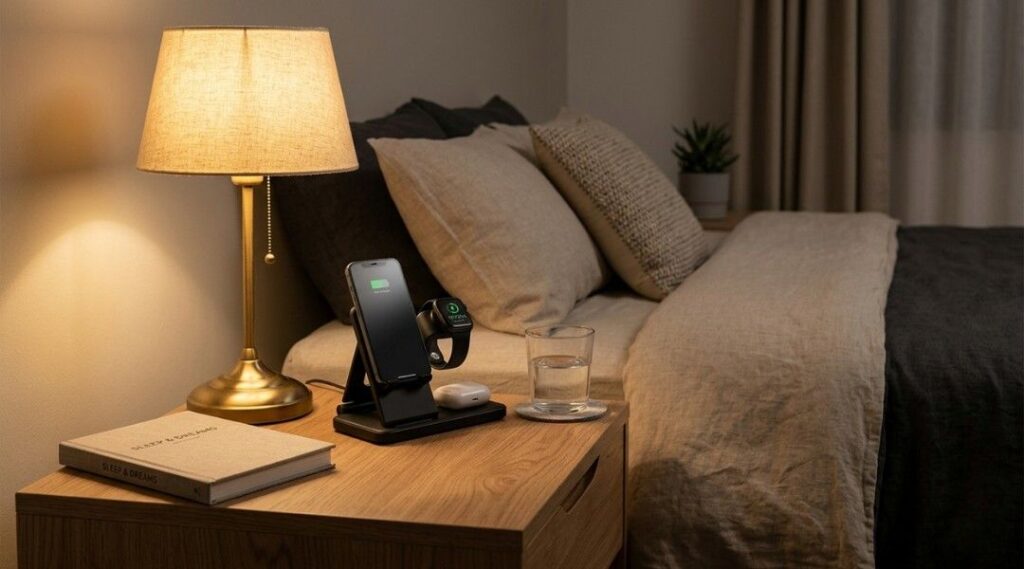
This is why many users are upgrading to multi-device charging stations.
You can verify certified and safe devices directly from the Wireless Power Consortium certified product database.
According to IDC, users are now replacing accessories less frequently while owning more connected devices. More insights are available in IDC consumer technology research reports.
How Wireless Charging Actually Works
Wireless charging works in three simple steps.
1. Coil Alignment
Your phone must align with the charging coil
Qi2 uses magnets to ensure correct placement
Misalignment can reduce charging speed
2. Power Communication
The charger and device communicate
They decide the maximum supported wattage
This can be 5W, 7.5W, 10W, or 15W
3. Energy Transfer
Power transfers from the pad to the device
Safety features prevent overheating
Foreign object detection stops unsafe charging
Comparing Your Options: Pads, Stands, and Multi-Device Stations
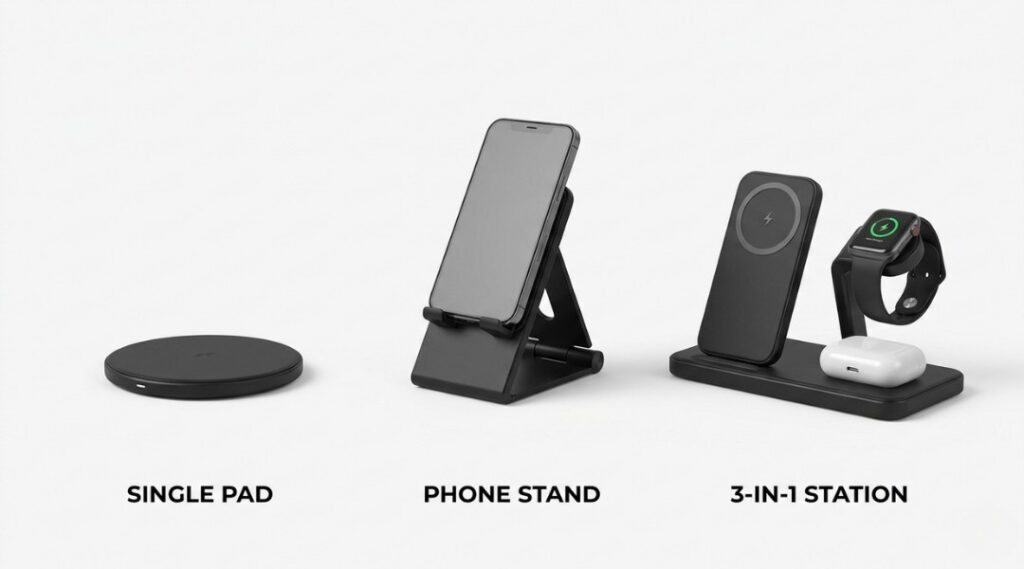
Different types of wireless chargers serve different needs.
| Feature | Flat Charging Pad | Charging Stand | Multi-Device Station |
|---|---|---|---|
| Price Range | Low | Medium | High |
| Charging Speed | Up to 15W | Up to 15W | 7.5W to 15W |
| Space Usage | Compact | Vertical | Larger |
| Multi-device Support | No | Limited | Yes |
| Best Use | Travel and desk | Watching while charging | Full setup |
When to choose each option:
Choose a flat pad for portability and simplicity
Choose a stand for easy viewing while charging
Choose a multi-device station for charging multiple gadgets
If you are using an iPhone, you can explore the best wireless charger for iPhone options.
Research from MIT shows that heat is the main factor behind battery degradation, not the wireless charging process itself. Read more about this through MIT open course research resources.
Real-World Benefits and Who Gets the Most Out of It
Wireless charging offers more than just convenience.
Key advantages:
Encourages consistent charging habits
Reduces wear on charging ports
Keeps your setup clean and organized
According to iFixit, damaged charging ports are one of the most common repair issues in smartphones.
Best suited for:
Office workers and desk users
People with multiple devices
Users who prefer a clean setup
According to iFixit, charging port damage is one of the most common causes of smartphone repair. You can explore detailed teardown insights on iFixit repair analysis.
Common Mistakes to Avoid
Avoid these common errors:
Buying based only on wattage
Higher wattage does not always mean faster charging
Using a low-power adapter
Most pads need at least an 18W adapter
Ignoring certification
Always choose products certified by the Wireless Power Consortium
Placing the charger on metal surfaces
Metal can reduce efficiency and increase heat
Expecting maximum speed on all devices
Different devices support different charging speeds
FAQ: Wireless Charging Pad Questions Answered
Yes, most wireless charging pads work through cases up to 3mm thick. Standard silicone and plastic cases do not affect charging performance.
However, thick wallet cases or cases with metal plates can block the charging signal. If you use Qi2, magnetic alignment improves performance, but metal still causes interference.
Qi is the older wireless charging standard that supports variable speeds depending on the device and manufacturer.
Qi2 improves this by adding magnetic alignment and standardized 15W charging. This results in faster, more stable charging and better energy efficiency in real-world use.
You can check your phone’s specifications on the manufacturer’s website under the charging section.
Most flagship devices from brands like Samsung and Apple support wireless charging, while many budget devices do not include this feature.
Yes, but you need a multi-device wireless charging station designed for that purpose.
These stations include separate charging areas for phones, earbuds, and smartwatches. A standard wireless charging pad usually supports only one device at a time.
Yes, it is safe if you are using a certified product. Wireless chargers automatically stop delivering full power once your battery reaches 100%.
They also include safety features like temperature control and foreign object detection, which protect your device during overnight charging.
What Actually Matters in 2026
Focus on these factors:
Qi2 certification is essential
Choose based on your device ecosystem
Prioritize thermal performance over peak speed
For a complete breakdown of compatibility and standards, read this wireless charging standards and compatibility guide.
Conclusion
A wireless charging pad is now a key part of a modern tech setup.
Choosing the right one improves charging speed, reduces clutter, and protects your device over time.
Focus on certified products, match your charger to your devices, and avoid outdated technology to get the best results.