
WIRELESS CAR CHARGER
Introduction
Here’s something most drivers don’t realize.
According to the AAA Foundation for Traffic Safety, the average person spends nearly 293 hours driving every year. Yet many still reach their destination with a low phone battery.
The problem is not forgetting to charge. It is using the wrong charging setup.
A wireless car charger is no longer just a convenience. In 2026, it is a practical upgrade for anyone who relies on navigation, music streaming, or calls while driving.
This guide explains what actually matters, what to avoid, and how to choose the right setup without wasting money.
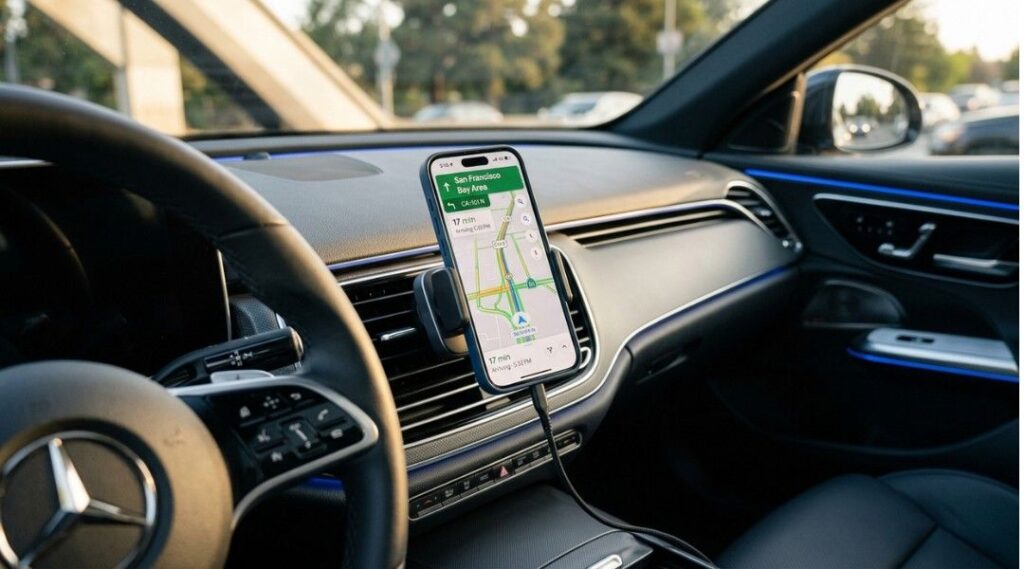
What Is a Wireless Car Charger
A wireless car charger is a device that charges your phone without cables using electromagnetic induction. It works through Qi or Qi2 standards developed by the Wireless Power Consortium.
Instead of plugging in a cable, you simply place your phone on a charging mount.
Key points
Uses built-in coils to transfer energy
Works with Qi-compatible smartphones
Supports up to 15W with Qi2 certified devices
Charges while you drive, navigate, or take calls
👉 For deeper understanding, read wireless charging standards guide
Why Your Car USB Port Is Not Enough
Most people assume their car’s USB port is good enough. It is not.
Here is the reality
Older cars (before 2023) usually provide:
5W to 7.5W output
Modern smartphones need:
15W or more for efficient charging
Result:
Battery drains while using GPS and apps
According to J.D. Power, over 60% of drivers are unhappy with in-car charging speed.
What this means for you
Your phone may lose charge during short trips
Slow charging affects navigation and productivity
Cable wear becomes a frequent issue
👉 A wireless charger with proper power input solves all three problems.
How a Wireless Car Charger Works
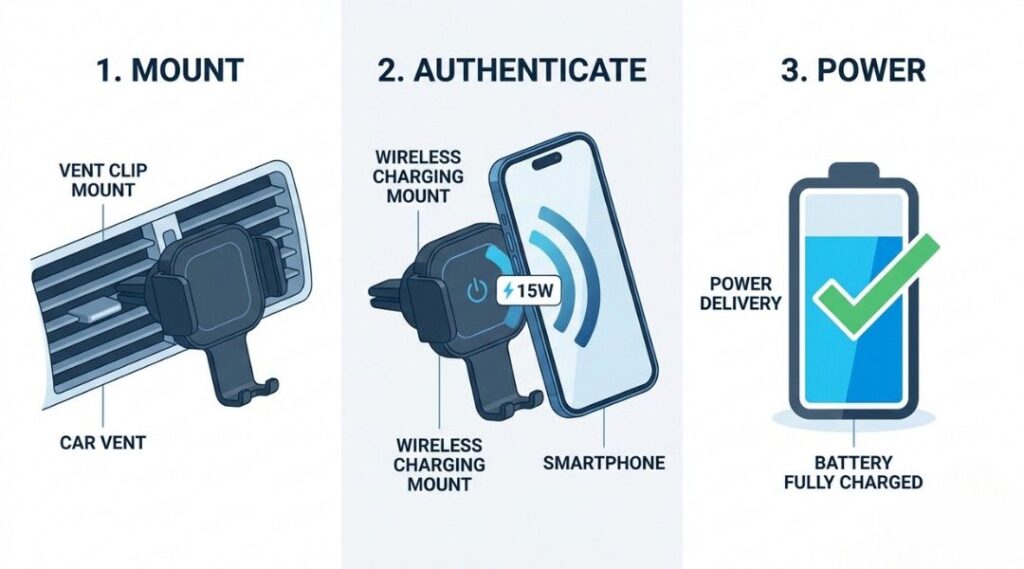
You do not need technical knowledge. Just understand this simple 3-step process.
1. Mount
Place your phone on the charger.
Types include:
Vent clip
Dashboard mount
Magnetic (MagSafe-style)
2. Power Connection
The charger connects to a power source.
Important:
Use a 25W+ USB-C adapter
Avoid low-power USB-A ports
3. Charging
Energy transfers wirelessly through coils.
Modern chargers include:
Heat control
Foreign object detection
Stable power delivery
👉 Learn more about coil alignment in how Qi2 wireless charging works
Types of Wireless Car Chargers
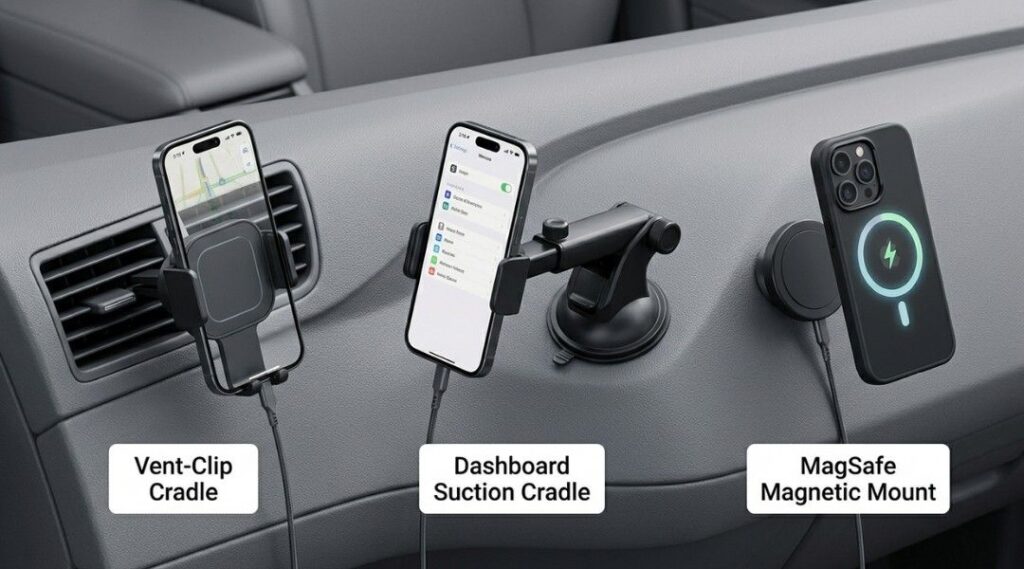
Choosing the right type matters more than people think.
Comparison Overview
| Type | Best For | Key Benefit |
|---|---|---|
| Vent Clip | Easy setup | Quick installation |
| Dashboard Mount | Long drives | Better viewing angle |
| Magnetic Charger | iPhone users | One-hand use |
Quick recommendations
Choose vent clip for simple use
Choose dashboard mount for comfort
Choose magnetic charger for speed and convenience
👉 iPhone users can explore best wireless charger for iPhone
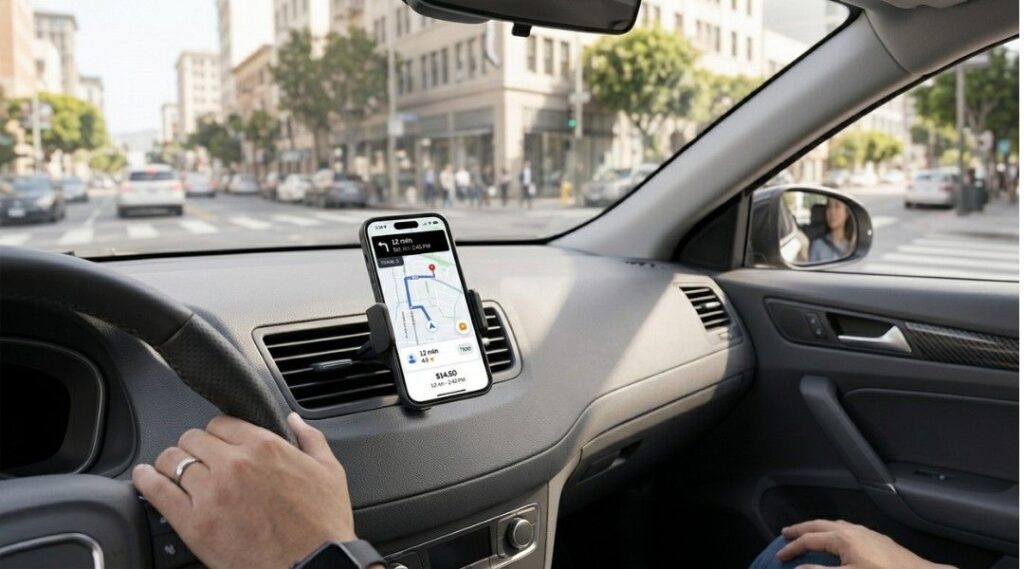
Real Benefits You Will Notice
A good wireless car charger improves more than just battery life.
1. Less distraction while driving
No cable plugging
Faster phone placement
According to the National Highway Traffic Safety Administration, manual phone handling contributes to accidents.
2. Protects your charging port
Research from iFixit shows port damage is a common issue.
Wireless charging reduces:
Cable wear
Port damage
Repair costs
3. Better daily convenience
Clean dashboard setup
No cable clutter
Faster access to navigation
Common Mistakes to Avoid
Many users waste money by making simple mistakes.
Avoid these:
Using low-power USB ports
Limits charging speed
Buying non-certified chargers
Check certification on Wireless Power Consortium certified products
Ignoring heat management
Poor chargers overheat easily
Using thick or metal cases
Blocks charging
Poor cable management
Creates distractions while driving
FAQ: Wireless Car Charger
Yes, most chargers work with cases up to 3mm thick. Silicone and plastic cases are fine. Metal or wallet cases can block charging completely. If charging is slow, try removing the case and test again.
The actual wattage depends on both the charger and the adapter. A 15W charger connected to a weak port will only deliver low power. To get full speed, use a 25W or higher adapter with a Qi2-certified device.
Yes, it is safe. Modern chargers include temperature control and safety features. Avoid placing the phone in direct sunlight, as heat from the environment is the main issue, not the charging method itself.
Yes, any phone that supports Qi charging will work. However, magnetic alignment features are mainly optimized for iPhones, while Android devices use standard alignment.
Final Thoughts
Before you buy, remember these three things:
1. Your car USB port is likely underpowered
Upgrade to a proper adapter if needed.
2. Stability matters more than speed
A stable 10W charger is better than an unstable 15W one.
3. Always check certification
Use trusted sources like the Wireless Power Consortium.
👉 Ready to upgrade your setup
Explore the complete wireless charger comparison guide to find the best option for your needs.