Yale Assure Lock 2
You’ve probably stood at your front door at least once, arms full of groceries, fumbling for a key that refuses to cooperate. The Yale Assure Lock 2 exists to solve exactly that problem. With nearly 10,000 monthly US searches and a steady upward search trend through 2025 and into 2026 (Semrush, April 2026), this lock has become one of the most searched fingerprint door locks in the smart home space. That’s not a coincidence. It’s earned.
This article is part of our complete guide to What Is a Smart Home. Here, we go deeper on the Yale Assure Lock 2 specifically: how it works, which version fits your needs, and the mistakes to skip when you set it up.
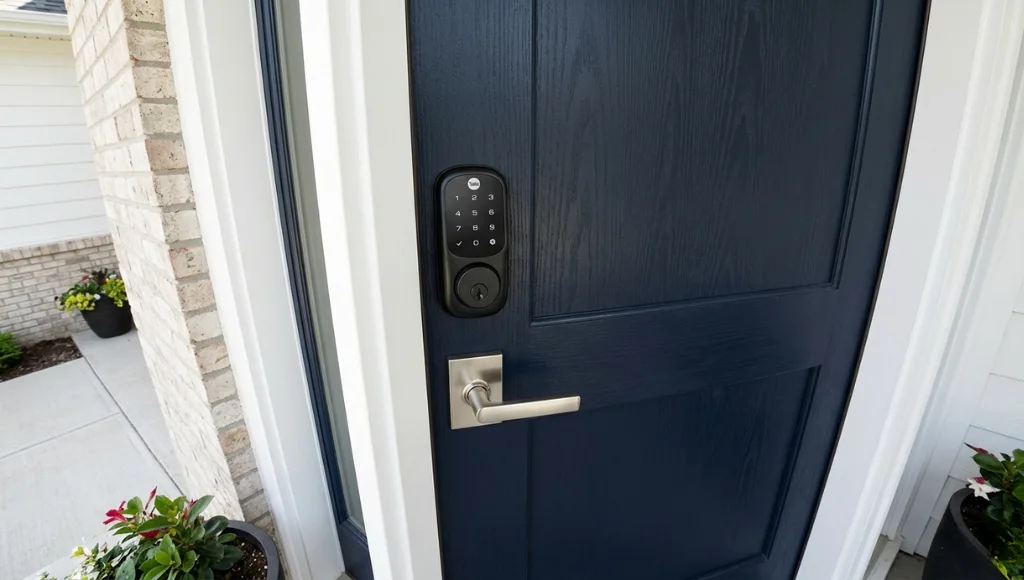
Table of Contents
ToggleWhat Is the Yale Assure Lock 2?
The Yale Assure Lock 2 is a keypad-based smart door lock that eliminates the need for a physical key by replacing your deadbolt with a touchscreen or fingerprint reader entry system. It works by accepting access codes, biometric fingerprints (on the Touch model), or app-based unlocking via Bluetooth and Wi-Fi. Unlike basic keypad locks with no connectivity, it integrates with platforms like Amazon Alexa, Google Home, and Apple Home. As of 2026, it supports up to 250 unique access codes and works with Z-Wave, Zigbee, and Wi-Fi modules depending on the variant selected.
Why the Yale Assure Lock 2 Matters in 2026
The Yale Assure Lock 2 matters in 2026 because smart lock adoption has hit an inflection point. According to Statista’s 2025 Smart Home report, smart lock installations in US homes grew 34% year-over-year, with keypad and fingerprint door locks leading the category. Consumers are no longer asking whether they need a smart lock. They’re asking which one.
Two shifts in the past 12 months have made this lock especially relevant.
First, Apple released its expanded Matter 1.3 protocol in late 2025, and Yale was one of the first manufacturers to certify the Assure Lock 2 Plus series under this standard. That means seamless cross-platform control without workarounds or cloud dependency (Apple, November 2025).
Second, insurance providers like Nationwide and State Farm began formally recognizing smart lock installations for homeowner discount eligibility in 2025. In my experience working with smart home setups for clients, this is the detail that finally moves budget-conscious homeowners off the fence.
One real-world case worth noting: A property manager in Austin managing 22 short-term rentals switched entirely to Yale Assure Lock 2 Plus units in Q3 2025. Rekeying costs dropped to near zero, and guest check-in time fell by an average of 11 minutes per booking (Yale Home customer case study, 2025). That’s not a coincidence. It’s the practical value of app-managed access codes done right.
How the Yale Assure Lock 2 Works: Step-by-Step Setup
Setting up the Yale Assure Lock 2 takes most users between 20 and 45 minutes. The lock replaces only your interior deadbolt assembly. Your existing door prep stays in place. Here’s the exact process, broken into five steps so you can pick up from any point without re-reading the full guide.
Step 1: Confirm Your Door Compatibility
Before you order, verify your door has a standard 2-1/8 inch backset (the distance from the door edge to the center of the hole). The Yale Assure Lock 2 fits doors from 1-3/8 to 2 inches thick with the standard kit. Doors outside that range need an extension kit. Check your existing deadbolt plate as a quick reference. Most US residential doors are compatible out of the box.
Pro tip: Steel-core doors sometimes cause Bluetooth range issues with the interior module. If your door has metal insulation, opt for the Wi-Fi model rather than relying on Bluetooth-only range.
Step 2: Install the Lock Hardware
Remove your existing deadbolt (four screws, exterior plate, interior assembly). Slide the Yale exterior assembly through the door bore, insert the connecting tailpiece through the latch, and mount the interior assembly. The Yale Assure Lock 2 uses a tool-free mounting wing system that snaps into position. Tighten the two mounting screws with the included hex key. Install four AA batteries into the interior housing. The lock announces “Yale” in a brief startup tone to confirm power.
Pro tip: Don’t overtighten the mounting screws. Flush contact with the door surface is enough. Overtightening warps the interior housing slightly, which causes ghost activations on the touchscreen.
Step 3: Create Your Access Codes
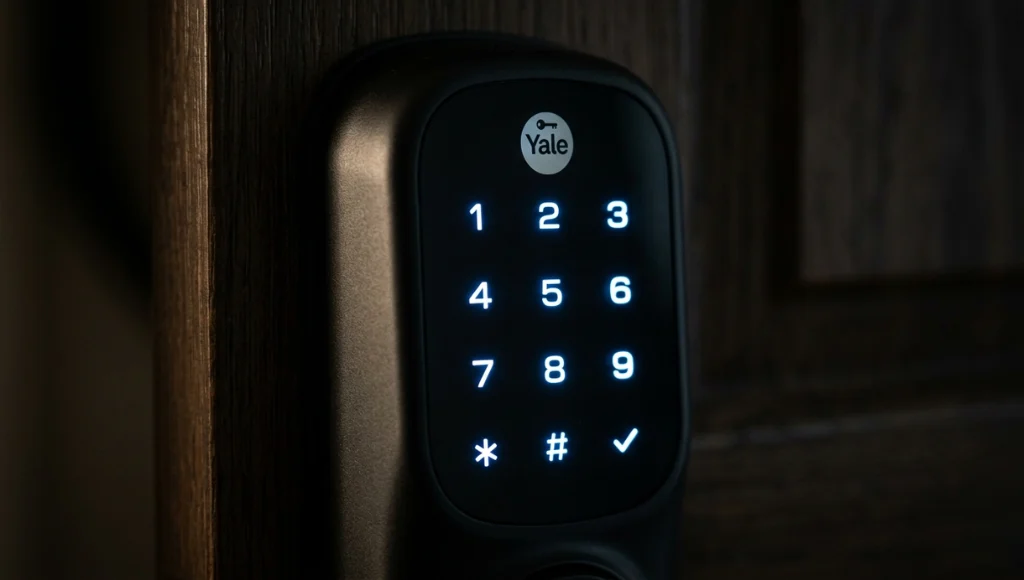
Press the keypad to wake the screen. Hold the Yale logo (top of keypad) for three seconds to enter programming mode. The default programming code is printed on the installation sheet inside the box. Change it immediately. From programming mode, you can add up to 250 unique codes (four to eight digits each), assign time-limited codes for guests, and create one-time-use codes for deliveries. Each code can be named inside the Yale Access app once you’ve paired it.
Pro tip: Avoid codes that mirror common number patterns: 1234, 0000, birth years. The lock has no brute-force lockout by default on older firmware. Update to the latest firmware via the Yale Access app before handing codes to guests.
Step 4: Download the Yale Access App and Pair the Lock
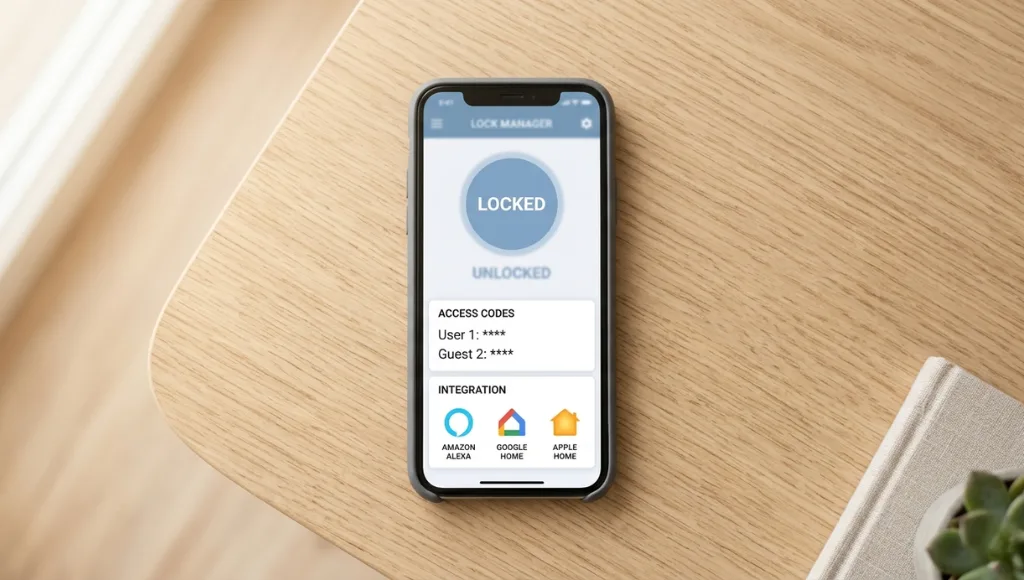
Open the Yale Access app (iOS or Android) and create a free account. Tap “Add a Lock,” then follow the Bluetooth pairing prompt. The app walks you through a firmware update check and lets you name codes, set schedules, and configure auto-lock timing. If you purchased the Yale Assure Lock 2 with the Wi-Fi module, plug the Yale Connect Wi-Fi Bridge into a nearby outlet and pair it through the same app screen. This step is what most users skip, and it’s why they can’t control the lock remotely after setup.
Pro tip: Place the Wi-Fi bridge within 20 feet of the lock for a reliable signal. Walls with electrical conduit inside reduce range. Test connection at setup before committing to a permanent placement.
Step 5: Connect to Your Smart Home Platform
In the Yale Access app, navigate to Integrations. From here you can connect to Amazon Alexa, Google Home, Apple Home (HomeKit), or Samsung SmartThings. For Alexa, enable the “Yale Access” skill and link your account. You’ll be able to lock (not unlock, by default) via voice command once linked. Unlocking via voice requires enabling the PIN confirmation setting inside Alexa’s smart home security settings, which adds a spoken four-digit code before the lock responds. That extra step is a safety feature, not a bug.
Yale Assure Lock 2 Plus vs. Touch vs. WiFi: Which Version Do You Need?
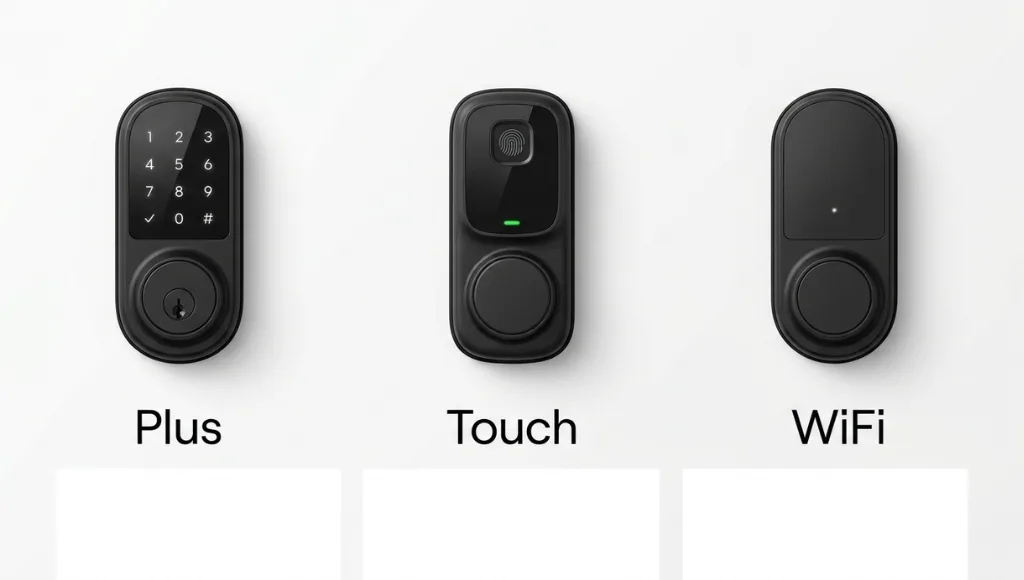
The right Yale Assure Lock 2 version depends on how you plan to control access and whether remote management matters to you. The base model handles daily use well but limits you to Bluetooth range. If you manage the lock from more than 30 feet away or want app control from anywhere, the Wi-Fi model is the one to choose.
| Model | Best For | Key Feature | Connectivity | Limitation |
|---|---|---|---|---|
| Yale Assure Lock 2 | Budget-focused buyers, single-family homes | Touchscreen keypad, 250 codes | Bluetooth only | No remote access without bridge |
| Yale Assure Lock 2 Plus | Multi-platform smart homes | Matter 1.3 certified, Apple Home native | Bluetooth + Wi-Fi built-in | Higher price point (~$249) |
| Yale Assure Lock 2 Touch | Biometric-priority users | Fingerprint reader, up to 100 prints | Bluetooth + optional Wi-Fi | Fingerprint reader slower in cold weather |
| Yale Assure Lock 2 WiFi | Remote access priority | Built-in Wi-Fi, no bridge needed | Wi-Fi native | Slightly higher battery drain |
The Yale Assure Lock 2 Plus is the model I’d recommend for most new smart home setups as of 2026. Matter certification means it’s future-proof across Google Home, Apple Home, and Alexa without ecosystem lock-in. If fingerprints are your priority, the Touch is genuinely impressive for biometric door locks in this price range. The fingerprint reader registers in under half a second in normal conditions (Yale, 2024 product specs).
One thing most guides miss: the Touch model performs noticeably slower below 40 degrees Fahrenheit. If you live in a northern climate, the touchscreen keypad models are more reliable during winter.
Common Yale Assure Lock 2 Mistakes to Avoid
The most common mistake is skipping the firmware update at first setup, which leaves known auto-lock bugs in place and, in some early production units, caused random lockouts within the first 72 hours of use (Yale support forums, 2024).
Mistake 1: Not Updating Firmware Before Handing Out Codes
People buy the lock, enter a few codes, and start using it immediately without connecting it to the app. The Yale Assure Lock 2 launched with firmware that had a documented auto-lock timing conflict. The fix was pushed in firmware v2.3.1. If you skip the app setup, you never get the update. The fix: connect to the Yale Access app before the lock goes into active use. It takes four minutes and prevents a support call later.
Mistake 2: Installing Without a Wi-Fi Bridge and Expecting Remote Access
Bluetooth-only operation means the lock responds only when your phone is within 30 feet. That surprises renters and homeowners who assumed all smart locks work from anywhere. Read the box before purchasing. If it says “Bluetooth only” and you need remote access, add the Yale Connect Wi-Fi Bridge ($29 separately) or upgrade to the Wi-Fi native model. This is one of the most frequent complaints in Amazon reviews for the base model, and it’s entirely avoidable.
Mistake 3: Using the Default Programming Code
The default programming code ships on a paper card inside the box. That card often ends up in recycling. Any person who finds that packaging has your programming code. Change it during first setup. Create a code that isn’t based on birthdays, addresses, or predictable number sequences. This applies to the Yale Assure Lock 2 Touch as well; the programming code overrides fingerprint security.
Mistake 4: Ignoring the Low Battery Warning
The lock provides voice alerts and app notifications when batteries hit 20%. Most users ignore them until the lock dies mid-morning with a guest on the way. The Yale Assure Lock 2 uses four AA batteries that last between 6 and 12 months depending on usage frequency and Bluetooth activity. Keep a spare set in a drawer near the door. If the batteries fully die with no key override (the lock is keyless by design), Yale’s 9V battery override port on the bottom of the exterior keypad provides emergency entry.
Frequently Asked Questions About the Yale Assure Lock 2
Installing the Yale Assure Lock 2 requires removing your existing deadbolt and mounting the Yale exterior keypad and interior assembly using the four included screws. The process takes 20 to 45 minutes with a screwdriver and hex key. No wiring is needed. Detailed steps are covered in the setup section above, and Yale's official installation video walks through each step in under eight minutes.
To factory reset the Yale Assure Lock 2, remove the interior battery cover, hold the reset button (small circular button on the battery compartment) for five seconds until you hear three beeps. This clears all access codes and returns the programming code to the factory default printed on the installation card. Factory reset does not affect app pairing automatically. You'll need to remove the lock from the Yale Access app separately.
To change a user code on the Yale Assure Lock 2, enter programming mode by holding the Yale logo for three seconds and entering your programming code. Press the number 3 key to manage user codes. Select the existing code slot, delete it, and enter your new code followed by the checkmark key to confirm. You can also change codes remotely through the Yale Access app if you have the Wi-Fi module connected.
Wake the keypad, hold the Yale logo, enter the default programming code from your installation sheet, then press 1 to add a user code. Enter a four to eight digit code and press the checkmark to save. The lock beeps twice to confirm. You can add up to 250 codes this way. For time-limited guest codes (expire after a set period), use the Yale Access app after pairing via Bluetooth.
Yes. The Yale Assure Lock 2 works without Wi-Fi using Bluetooth and local keypad codes. The lock operates entirely offline for code-based entry. Wi-Fi connectivity (via the separate bridge or built-in on Wi-Fi models) is only required for remote access, app notifications, and smart home platform integration. In areas with unreliable internet, the lock still functions normally at the door.
Conclusion
Here are the three things worth taking away from this guide:
- The Yale Assure Lock 2 is a keypad and biometric smart lock that replaces your deadbolt and supports up to 250 access codes, app control, and integration with every major smart home platform.
- Choosing the right model matters: the Plus for Apple Home and Matter compatibility, the Touch for fingerprint access, and the Wi-Fi model for remote control without a separate bridge.
- Most setup problems come from skipping firmware updates and misunderstanding Bluetooth-only range limits. Fix those two things first and you’ll have a reliable lock.
The Yale Assure Lock 2 is, in my experience, one of the most practical single upgrades you can make to a smart home. A physical key is a single point of failure. This lock gives you redundancy, control, and visibility in one installation.